
Introduction: Understanding the Essence of Hanuman Jayanti
Hanuman Jayanti is one of the most deeply spiritual and meaningful festivals celebrated across India. It marks the sacred birth of Lord Hanuman, a divine figure admired for extraordinary strength, unwavering devotion, humility, discipline, courage, and selfless service.
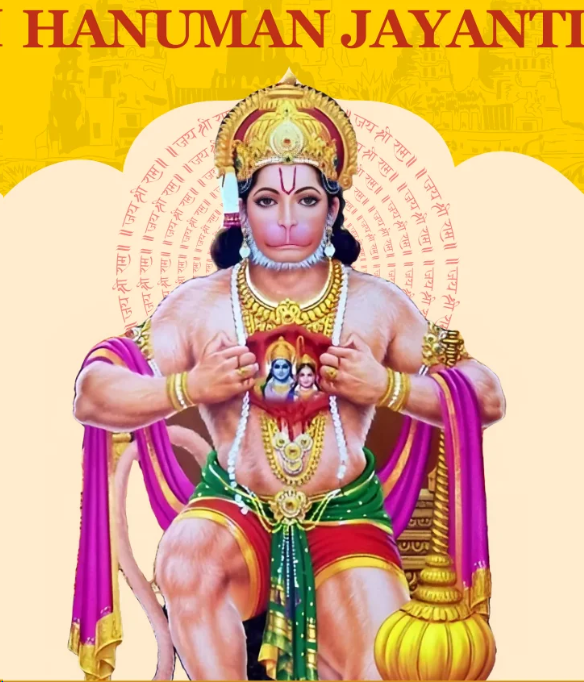
Unlike festivals known for grand celebrations or elaborate rituals, Hanuman Jayanti is quiet, grounded, and reflective in nature. It invites people to pause, look inward, and reconnect with values that shape strong character and moral living.
For beginners, It is easy to observe and understand. There are no rigid rules or costly customs. The festival emphasizes simplicity, sincerity, and inner discipline, making it suitable for people of all ages and backgrounds.
This long-form guide is written to help you understand in depth—starting from its meaning and origins, moving through stories and symbolism, and eventually exploring traditions, rituals, and life teachings.
What Is Hanuman Jayanti?
Hanuman Jayanti is the festival that celebrates the birth of Lord Hanuman. He is worshipped as a symbol of:
- Immense strength guided by wisdom
- Deep devotion free from ego
- Fearlessness balanced with discipline
- Loyalty, humility, and self-control
It is observed on different dates across India depending on regional traditions, but the spiritual meaning remains the same everywhere.
At its core, It reminds devotees that:
True power lies in self-control, devotion, and righteous action.
Who Is Lord Hanuman?
Lord Hanuman is one of the most respected figures in Indian tradition. He is known by many names, including:
- Anjaneya – Son of Anjana
- Maruti – Son of the wind god
- Bajrangbali – One with a body as strong as thunder
- Pavanputra – Son of Vayu (the wind)
Despite his immense physical power, Lord Hanuman is remembered more for his humility and obedience than for his strength.
Key qualities of Lord Hanuman:
- Never acted out of ego
- Used strength only for good
- Remained calm even in difficult situations
- Served with complete dedication
These qualities make Hanuman a timeless role model
The Birth of Lord Hanuman: Sacred Origins
The birth story of Lord Hanuman is filled with symbolism and spiritual meaning.
Parents of Lord Hanuman
- Mother: Anjana
- Father: Kesari
- Divine Blessing: Vayu (the wind god)
According to tradition, Anjana performed deep prayers and penance. Pleased by her devotion, divine forces blessed her with a child who would become a protector of righteousness.
Lord Hanuman is therefore known as Pavanputra, the son of the wind. This connection symbolizes:
- Speed and agility
- Breath and life force
- Freedom and fearlessness
Honors this divine birth and the sacred purpose behind it.
The Childhood Stories of Hanuman
Lord Hanuman’s childhood stories are both inspiring and meaningful.
The Sun and the Fruit Story
As a child, Hanuman once mistook the rising sun for a ripe fruit and leapt into the sky to catch it. This act symbolizes:
- Fearlessness
- Innocence
- Limitless potential
However, this immense power also needed guidance. Later in life, Hanuman learned discipline, restraint, and humility, which shaped his true greatness.
Celebrates not just his strength, but his journey toward wisdom.
Why Hanuman Jayanti Is Spiritually Important
The spiritual importance of Hanuman Jayanti lies in what it teaches, not how it is celebrated.
Spiritual values highlighted:
- Control over ego
- Faith over fear
- Discipline over impulse
- Service over selfishness
Many devotees believe that observing with sincerity brings:
- Inner calm
- Mental strength
- Emotional balance
- Protection from negative thoughts
The festival acts as a reminder to live with awareness and restraint.
Symbolism of Lord Hanuman
Every part of Lord Hanuman’s form carries symbolic meaning.
Key symbols explained simply
- Mace (Gada): Inner strength and righteousness
- Folded Hands: Humility and devotion
- Calm Face: Emotional control
- Muscular Body: Discipline and effort
- Bare Feet: Simplicity and grounded nature
Encourages devotees to reflect on these symbols and apply them in daily life.
Hanuman Jayanti and the Power of Discipline
Discipline is the foundation of Hanuman’s character.
Unlike raw strength, discipline:
- Prevents misuse of power
- Builds reliability
- Creates stability
It reminds people that:
Discipline transforms ability into wisdom.
This is why silence, prayer, and restraint are emphasized on this day.
Why Hanuman Jayanti Is Relevant in Modern Life
Even today, Holds deep relevance.
Modern life is often filled with:
- Stress
- Fear
- Anger
- Distraction
offers:
- Calm reflection
- Emotional balance
- Mental focus
- Ethical grounding
Its teachings remain timeless and universal.
The Quiet Nature of Hanuman Jayanti
Unlike loud festivals, is known for:
- Early morning temple visits
- Silent prayers
- Calm chanting
- Minimal decoration
This quiet nature helps devotees experience clarity and inner peace.
How Beginners Can Connect With Hanuman Jayanti
You do not need prior knowledge to observe.
Simple ways to connect include:
- Spending a few minutes in silence
- Lighting a diya
- Listening to Hanuman Chalisa
- Reflecting on one personal habit
Even small efforts are meaningful.
Why Are There Different Dates for Hanuman Jayanti?
India follows multiple calendar systems:
- Lunar calendar
- Solar calendar
- Regional almanacs (Panchang)
It is connected to the birth timing of Lord Hanuman, which is interpreted differently across traditions. Rather than causing division, this variation shows how deeply Hanuman worship is rooted in local cultures.
Regional Traditions of Hanuman Jayanti
Hanuman Jayanti in North India
In states like Uttar Pradesh, Rajasthan, Madhya Pradesh, and Delhi, Hanuman Jayanti is observed on Chaitra Purnima.
Key features:
- Early morning temple visits
- Chanting of Hanuman Chalisa
- Fasting by many devotees
- Distribution of prasad
The focus is on silence, devotion, and discipline.
Hanuman Jayanti in Maharashtra
Maharashtra observes with strong devotion and community participation.
Unique practices include:
- Temple visits at sunrise
- Offering sindoor and oil
- Bhajans and group chanting
- Community service activities
The day is considered especially powerful for prayers related to strength and protection.
Hanuman Jayanti in Karnataka
In Karnataka, It is often observed during the Vaishakha month.
Common practices:
- Extended worship over multiple days
- Temple processions
- Recitation of sacred texts
- Emphasis on self-control and silence
Some temples hold special night prayers leading into early morning rituals.
Hanuman Jayanti in Andhra Pradesh & Telangana
In these states, Hanuman Jayanti is celebrated with:
- Large temple gatherings
- Devotional singing
- Fasting and prayer
- Community participation
Temples dedicated to Hanuman attract thousands of devotees during this time.
Hanuman Jayanti in Tamil Nadu & Kerala
In parts of South India, it’s observed during Margashirsha month.
Distinct features:
- Quiet temple worship
- Minimal decoration
- Emphasis on chanting and meditation
The atmosphere is deeply spiritual and calm.
Where Is Hanuman Jayanti Celebrated in India?
It is observed in almost every Indian state and union territory.
Major regions include:
- Uttar Pradesh
- Maharashtra
- Karnataka
- Tamil Nadu
- Andhra Pradesh
- Telangana
- Gujarat
- Rajasthan
- Bihar
Celebrations take place in:
- Ancient temples
- Local mandirs
- Home shrines
- Community halls
Even small villages observe with sincerity.
Temples Associated with Hanuman Jayanti
It is especially significant at:
- Old Hanuman temples
- Hilltop shrines
- Roadside mandirs
- Forest temples
On this day, temples are decorated with:
- Flowers
- Garlands
- Saffron flags
Devotees often queue patiently for darshan, reflecting discipline and devotion.
Temple Rituals on Hanuman Jayanti
Temple rituals are simple but meaningful.
Typical temple rituals include:
- Early morning abhishekam
- Offering of flowers and fruits
- Chanting of Hanuman Chalisa
- Lighting oil lamps
- Silent prayers
Priests often explain the values of Lord Hanuman to devotees, making the festival educational as well.
Processions and Group Chanting
In some regions, It includes:
- Small processions
- Group chanting of hymns
- Community prayer gatherings
These events are usually calm and respectful, unlike loud celebrations.
The Role of Saffron Color
Saffron is closely associated with –
It symbolizes:
- Renunciation
- Strength
- Discipline
- Spiritual fire
Many devotees wear simple saffron or light-colored clothing on this day as a sign of devotion and humility.
Why Hanuman Jayanti Emphasizes Silence and Restraint
Unlike festivals filled with noise and celebration:
- Silence
- Self-control
- Calm behavior
This reflects Lord Hanuman’s personality—powerful yet restrained.
Silence allows devotees to:
- Reflect
- Calm the mind
- Strengthen focus
Hanuman Jayanti and Community Harmony
It brings people together across:
- Age groups
- Social backgrounds
- Regions
Community activities include:
- Collective prayers
- Sharing prasad
- Helping the needy
These actions promote unity and compassion.
How Hanuman Jayanti Strengthens Cultural Identity
Its plays a key role in preserving:
- Oral traditions
- Devotional songs
- Temple culture
- Moral values
Children learn stories and values that remain with them for life.
Hanuman Jayanti as a Cultural Bridge
Across India, despite differences in language and custom:
- Unites communities
- Preserves shared values
- Strengthens cultural continuity
It is a festival that quietly connects generations.
Sacred Rituals of Hanuman Jayanti
One of the most beautiful aspects of it is that its rituals are simple, meaningful, and flexible. There is no strict rule that everyone must follow the same method. What matters most is sincerity and discipline.
It rituals can be observed either at home or in a temple.
Hanuman Jayanti Morning Routine
Most devotees begin early in the morning, as dawn is considered spiritually pure.
Common morning practices
- Wake up before sunrise
- Take a bath and wear clean clothes
- Clean the prayer space
- Light a diya (oil lamp)
- Sit quietly for a few minutes
This calm beginning helps set a focused tone for the day.
Home Puja on Hanuman Jayanti
Beginners often worry about complicated puja steps. In reality, puja can be very simple.
Basic home puja steps
- Place an image or idol of Lord Hanuman
- Light a diya or incense
- Offer flowers or fruits
- Join hands and pray sincerely
- Chant Hanuman Chalisa or say a simple prayer
Even five minutes of sincere prayer is considered enough.
Temple Worship on Hanuman Jayanti
Many devotees prefer visiting Hanuman temples on this day.
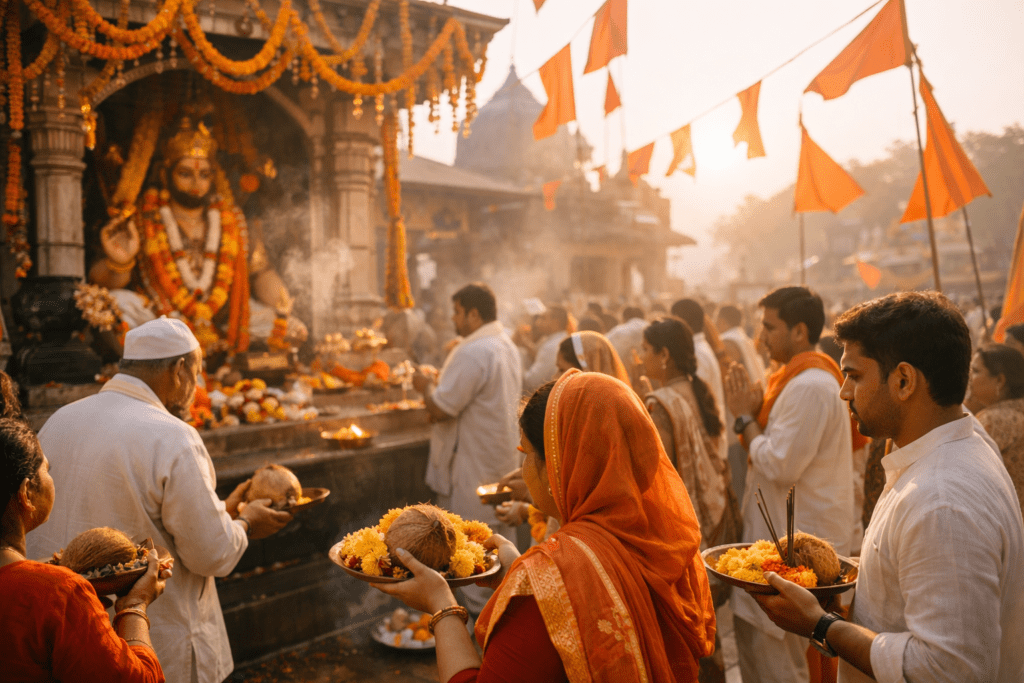
What usually happens at temples
- Early morning opening
- Abhishekam of the idol
- Chanting of Hanuman Chalisa
- Offering of sindoor and flowers
- Quiet darshan by devotees
Temples often remain crowded but calm, reflecting discipline and respect.
Importance of Sindoor
Sindoor (vermilion) has special importance in Hanuman worship.
It symbolizes:
- Devotion
- Strength
- Protection
Devotees offer sindoor as a sign of surrender and gratitude, not obligation.
Hanuman Chalisa: Heart of Hanuman Jayanti
It is the most important devotional text recited on Hanuman Jayanti.
Why it is important
- Written in simple language
- Easy to recite
- Focuses on courage, devotion, and humility
Many devotees believe that chanting Hanuman Chalisa helps:
- Calm the mind
- Reduce fear
- Improve focus
- Strengthen inner resolve
How to Chant Hanuman Chalisa Properly
There is no strict rule, but some common practices include:
- Chant slowly and clearly
- Focus on meaning rather than speed
- Sit comfortably
- Avoid distractions
Chanting even once with attention is considered sufficient.
Other Prayers and Bhajans
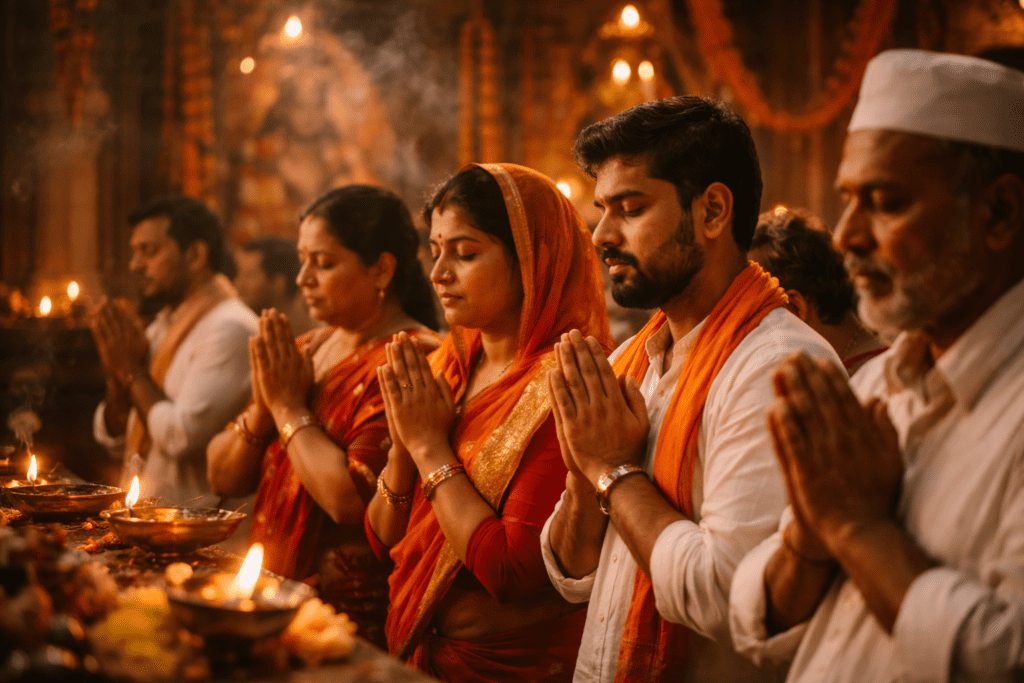
Apart from it, devotees may chant:
- Bajrang Baan
- Simple bhajans
- Personal prayers
The aim is devotion, not quantity.
Offerings Made on Hanuman Jayanti
Offerings represent gratitude and respect.
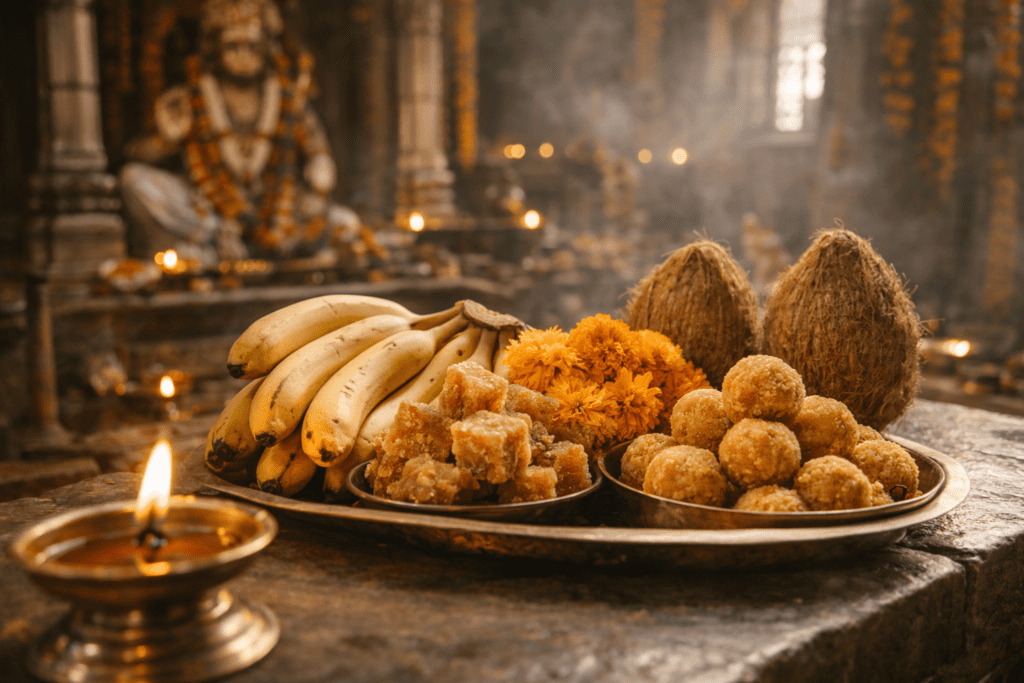
Common offerings
- Bananas
- Jaggery
- Ladoos
- Coconuts
- Flowers
- Tulsi leaves
Offerings should always be clean and simple.
Prasad Distribution
After prayer, offerings are shared as prasad.
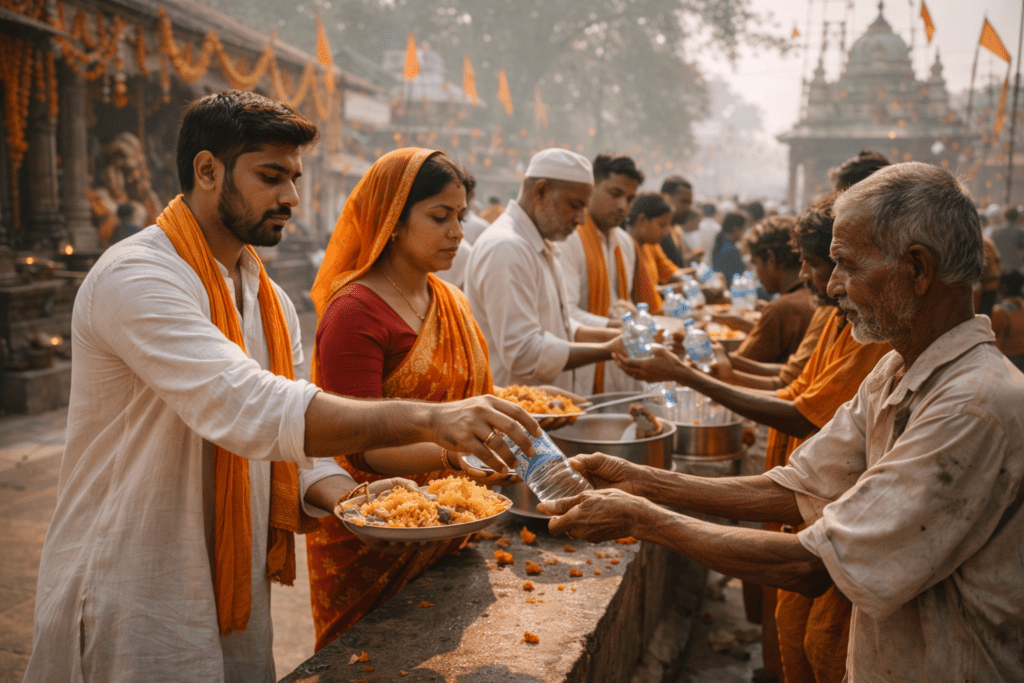
Prasad symbolizes:
- Equality
- Sharing
- Community harmony
Distributing prasad is considered a positive act of kindness.
Fasting on Hanuman Jayanti
Fasting is optional and depends on personal health and belief.
Types of fasting observed
- Fruit-only fast
- Milk and fruits
- One simple meal
The purpose of fasting is self-discipline, not physical hardship.
Health Perspective on Fasting
Elders and children are not required to fast.
Important points:
- Drink enough water
- Do not ignore health
- Eat light food if needed
Silence and Self-Control on Hanuman Jayanti
One unique aspect of Hanuman Jayanti is the emphasis on:
- Silence
- Controlled speech
- Calm behavior
Silence helps devotees:
- Reflect on actions
- Reduce anger
- Improve patience
Even partial silence is beneficial.
Observing Hanuman Jayanti at Work or School
Those who cannot take a holiday can still observe Hanuman Jayanti.
Simple ways:
- Silent prayer in the morning
- Avoid arguments
- Maintain calm behavior
- Reflect before sleeping
Devotion is not limited to location.
Dos and Don’ts on Hanuman Jayanti
Dos
- Speak politely
- Help someone if possible
- Maintain cleanliness
- Be patient
Don’ts
- Show anger
- Overeat
- Mock traditions
- Compete in rituals
It is about humility, not display.
Hanuman Jayanti and Inner Discipline
The festival encourages people to:
- Control emotions
- Practice restraint
- Act responsibly
These qualities define true strength.
Why Simplicity Is Central to Hanuman Jayanti
Unlike lavish festivals, Hanuman Jayanti emphasizes:
- Simple food
- Simple prayer
- Simple living
This simplicity creates clarity and peace.
Hanuman Jayanti in Family Life
Hanuman Jayanti is not only a temple-centered festival. In many households, it is observed quietly with family members coming together in a spirit of respect, discipline, and reflection.
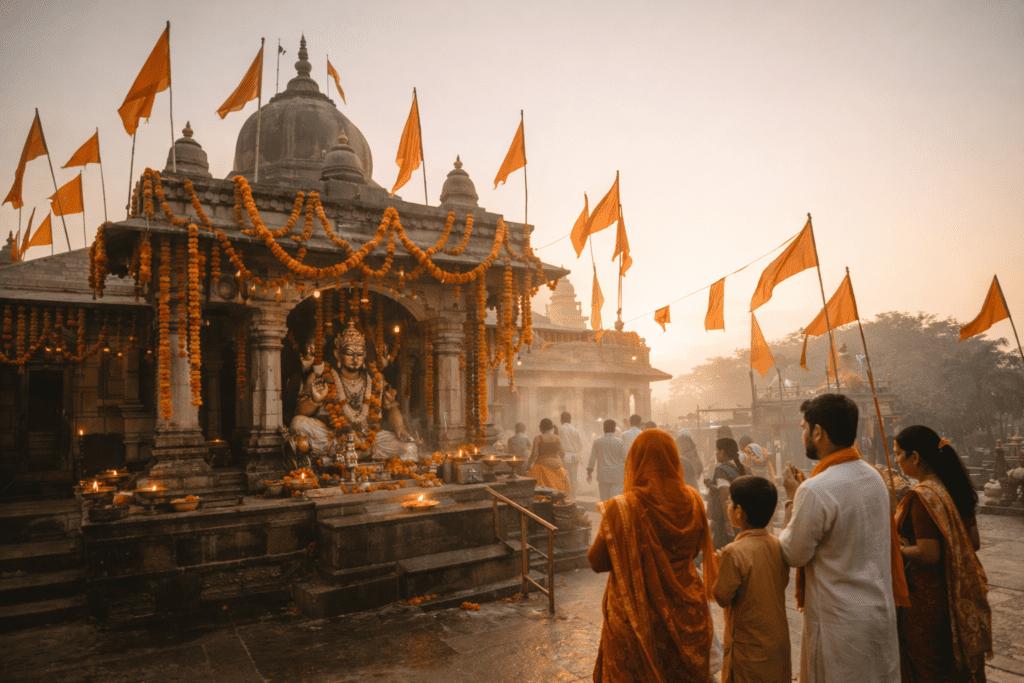
Families often use this day to:
- Spend time together without distractions
- Share stories of Lord Hanuman
- Encourage calm behavior and kind speech
- Reflect on values like obedience and humility
Unlike festivals filled with noise and activity, Hanuman Jayanti brings families closer through silence and simplicity.
Simple Family Practices on Hanuman Jayanti
Families can observe Hanuman Jayanti at home in very easy ways:
Morning
- Clean the prayer area together
- Light a diya
- Offer fruits or flowers
- Sit quietly for a few minutes
Daytime
- Avoid arguments
- Speak gently
- Help one another with daily work
Evening
- Share a story of Lord Hanuman
- Reflect on one good habit to practice
- End the day with gratitude
These small acts create lasting impressions, especially for children.
Hanuman Jayanti for Children: Learning Values Early
Hanuman Jayanti is an ideal festival to introduce children to moral values in a gentle and meaningful way.
What children learn from Hanuman Jayanti
- Courage without aggression
- Obedience with understanding
- Strength with kindness
- Respect for elders and teachers
Stories of Hanuman’s childhood, devotion, and discipline are easy for children to understand and remember.
Parents and elders often:
- Tell short stories
- Explain symbols in simple language
- Encourage good habits like honesty and patience
These lessons stay with children as they grow.
Community Service (Seva) on Hanuman Jayanti
One of the most meaningful aspects of Hanuman Jayanti is seva, or selfless service. Lord Hanuman is known for serving without expecting anything in return, and devotees try to reflect this quality on his birth anniversary.
Common forms of seva
- Distributing food or water
- Helping the elderly
- Cleaning temples or public areas
- Donating essentials to those in need
Seva on Jayanti is usually quiet and respectful, without publicity or display.
Why Seva Is Central to Hanuman Jayanti
Service is considered the highest form of devotion because:
- It reduces ego
- It builds compassion
- It connects people beyond differences
It reminds devotees that devotion is not limited to prayer—it is also expressed through action.
Hanuman Jayanti in Modern Times
As lifestyles change, the way people observe Hanuman Jayanti has also evolved. However, the essence remains the same.
Modern ways people observe Hanuman Jayanti
- Online chanting sessions
- Live temple broadcasts
- Digital reminders for prayer times
- Family discussions at home
Even with technology, the focus remains on discipline, devotion, and calm reflection.
Observing Hanuman Jayanti in a Busy Life
Not everyone can visit temples or follow a full routine. Hanuman Jayanti can still be observed meaningfully.
Simple options include:
- Silent prayer before work or school
- Listening to Hanuman Chalisa during travel
- Avoiding negative thoughts and actions
- Reflecting quietly before sleep
The sincerity of intention matters more than the form of observance.
Myths and Misunderstandings About Hanuman Jayanti
There are several misunderstandings about Hanuman Jayanti that can confuse beginners.
Common myths
❌ Only strict rituals are valid
❌ Fasting is compulsory
❌ The festival is only for elders
❌ It must be celebrated in temples
Reality
✅ Simple devotion is enough
✅ Health comes first
✅ All age groups can observe it
✅ Home observance is equally meaningful
Understanding this makes the festival more welcoming.
Dos and Don’ts on Hanuman Jayanti (Final Reminder)
Dos
- Maintain calm behavior
- Speak respectfully
- Practice self-control
- Help others quietly
- Keep surroundings clean
Don’ts
- Show anger or impatience
- Overspend on offerings
- Compete with others
- Ignore health needs
It is about inner discipline, not external display.
Frequently Asked Questions (FAQs)
What is Hanuman Jayanti?
It celebrates the birth of Lord Hanuman, symbolizing strength, devotion, and humility.
When it is celebrated?
It is celebrated on different dates across India, generally between March and May, depending on regional calendars.
Is fasting compulsory?
No. Fasting is optional and should depend on personal health and comfort.
Can Hanuman Jayanti be celebrated at home?
Yes. Simple prayer, silence, and reflection at home are perfectly acceptable.
What is the importance of Hanuman Chalisa?
Hanuman Chalisa is a devotional hymn that promotes calmness, courage, and focus.
Is Hanuman Jayanti suitable for children?
Yes. It is an excellent opportunity to teach values like honesty, discipline, and respect.
The Timeless Teachings of Hanuman Jayanti
Hanuman Jayanti teaches lessons that remain relevant across generations:
- Strength should be guided by wisdom
- Humility is a sign of true power
- Discipline creates stability
- Silence improves clarity
- Service purifies the heart
These teachings are not limited to one day—they are meant to guide daily life.
Why Hanuman Jayanti Still Matters Today
In a fast-moving and noisy world, offers:
- A pause for reflection
- A reminder of inner strength
- A path toward disciplined living
- A connection to timeless values
It gently encourages people to slow down, reflect, and act with awareness.
Final Conclusion: The True Meaning of Hanuman Jayanti
Hanuman Jayanti is not a festival of display—it is a festival of character. It reminds us that true strength lies in self-control, true devotion lies in service, and true wisdom lies in humility.
By observing Hanuman Jayanti sincerely—whether through prayer, silence, service, or reflection—one can experience peace, clarity, and moral strength.
Even the simplest observance, done with sincerity, carries deep meaning.