Introduction: Understanding Maha Shivaratri in a Simple Way
Maha Shivaratri is one of the most sacred and spiritually powerful festivals in Hindu tradition. Celebrated as the Great Night of Lord Shiva, this festival is observed with silence, devotion, fasting, and deep inner reflection rather than loud celebrations.
In Maha Shivaratri 2026, millions of devotees across India and around the world will stay awake through the night, meditate, chant prayers, and perform simple rituals dedicated to Lord Shiva. Unlike other festivals that focus on joy and celebration, Maha Shivaratri focuses on discipline, awareness, and spiritual balance.
For beginners, It can be understood as a night meant to pause and reconnect—with oneself, with nature, and with higher awareness.
What Is Maha Shivaratri?
The word Maha Shivaratri means “The Great Night of Shiva.” It is dedicated to Lord Shiva, one of the principal deities in Hinduism, known as the destroyer of ignorance and the symbol of transformation.
Maha Shivaratri is observed on a moonless night, which holds deep symbolic meaning. Darkness represents ignorance, while Shiva represents awareness. Staying awake during this night symbolizes choosing awareness over darkness.
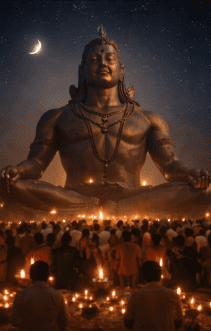
Key characteristics of Maha Shivaratri:
- Observed at night, not during the day
- Focuses on inner stillness
- Emphasizes self-control and reflection
- Encourages spiritual discipline
Historical Background of Maha Shivaratri
Maha Shivaratri has been observed in India since ancient times and is deeply rooted in early Hindu traditions. References to the worship of Lord Shiva can be found in ancient texts, temple inscriptions, and oral traditions passed down through generations. Historically, sages and ascetics regarded Maha Shivaratri as an especially powerful night for meditation and spiritual discipline, choosing this time for deep contemplation due to its calm and silent nature
Over centuries, the observance gradually spread from ascetic communities to households, becoming a widely celebrated spiritual festival that preserved its core values of simplicity, devotion, and inner awareness.
Maha Shivaratri has been observed for thousands of years. Ancient scriptures, temple traditions, and oral teachings mention its importance as a spiritually charged night.
Historically, sages and yogis chose this night for meditation because:
- The environment is calm and quiet
- Natural stillness supports focus
- The night encourages inward attention
Over time, Day became a household observance, allowing people from all backgrounds to experience its spiritual depth.
Spiritual Significance of Maha Shivaratri
The spiritual significance of Maha Shivaratri lies in transformation.
Awareness Over Ignorance
Darkness symbolizes lack of awareness. Lord Shiva symbolizes pure consciousness. Day represents the journey from ignorance to awareness.
Inner Discipline
Fasting, silence, and night-long prayers are symbolic practices. They are meant to help people gain control over the mind and senses.
Meditation and Stillness
Many people experience mental clarity during the day because distractions are reduced and attention is turned inward.
Why Maha Shivaratri Is Considered Powerful ?
Maha Shivaratri is considered powerful because:
- It aligns with lunar cycles
- It encourages self-discipline
- It promotes inner balance
Traditional belief suggests that spiritual efforts made on this night have deeper impact because the mind is naturally more receptive.
Role of Discipline and Awareness
Day is not about ritual perfection. It is about intentional awareness.
Simple acts such as:
- Sitting quietly
- Reducing distractions
- Practicing patience
are considered meaningful observances.
This makes accessible to everyone, including beginners.
Unique Experiences of Maha Shivaratri
What makes Maha Shivaratri truly special is not just what people do—but how the night feels. The experience of this festival is deeply different from most other religious or cultural celebrations.
A Night of Stillness and Silence
On Maha Shivaratri, silence becomes meaningful. As the night progresses:
- Streets become quieter
- Temples glow softly instead of loudly
- People speak less and reflect more
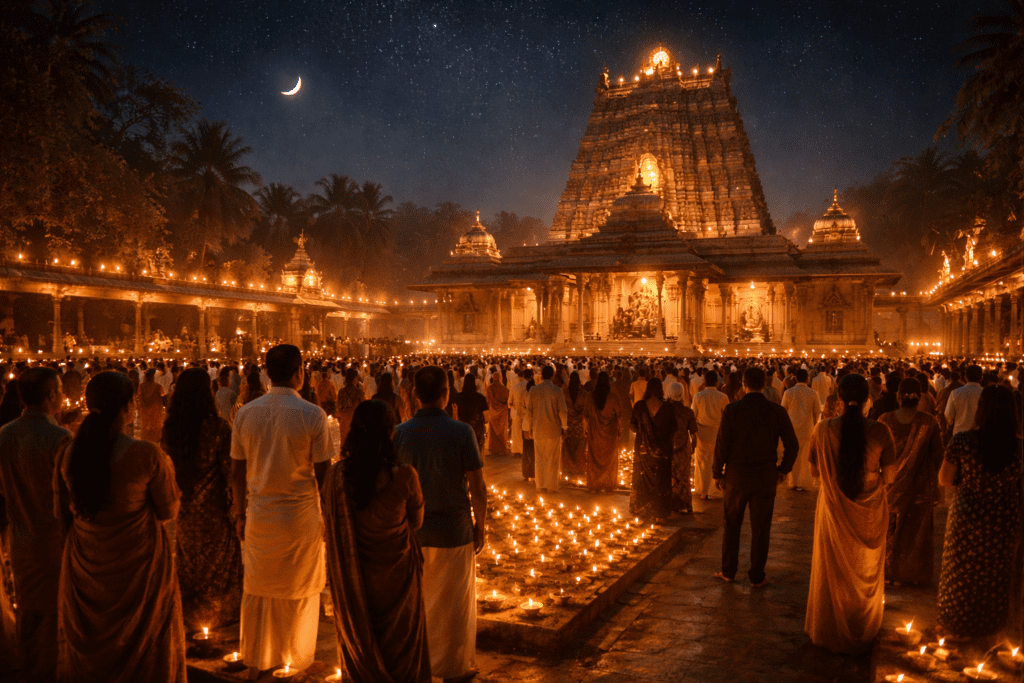
This calm atmosphere naturally encourages introspection. Even those who do not follow strict rituals often feel a sense of peace simply by slowing down.
Staying Awake Through the Night
One of the most distinctive practices of Maha Shivaratri is staying awake all night. This is known as Jagaran.
Staying awake symbolizes:
- Alertness of the mind
- Awareness over routine sleep
- Conscious living instead of mechanical habits
For beginners, even staying awake for a few hours with intention is considered meaningful.
The Emotional Experience
Many devotees describe as emotionally grounding. The absence of noise, combined with prayer or silence, often brings:
- Mental clarity
- Emotional release
- A sense of calm
This emotional experience is what draws people back to observing year after year.
Key Attractions of Maha Shivaratri
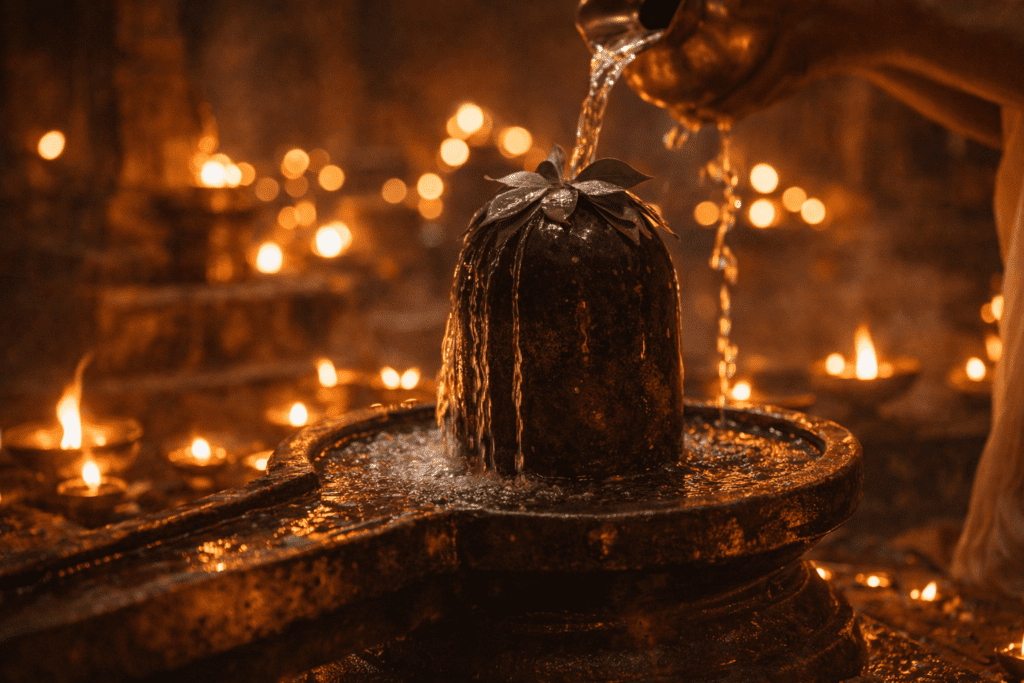
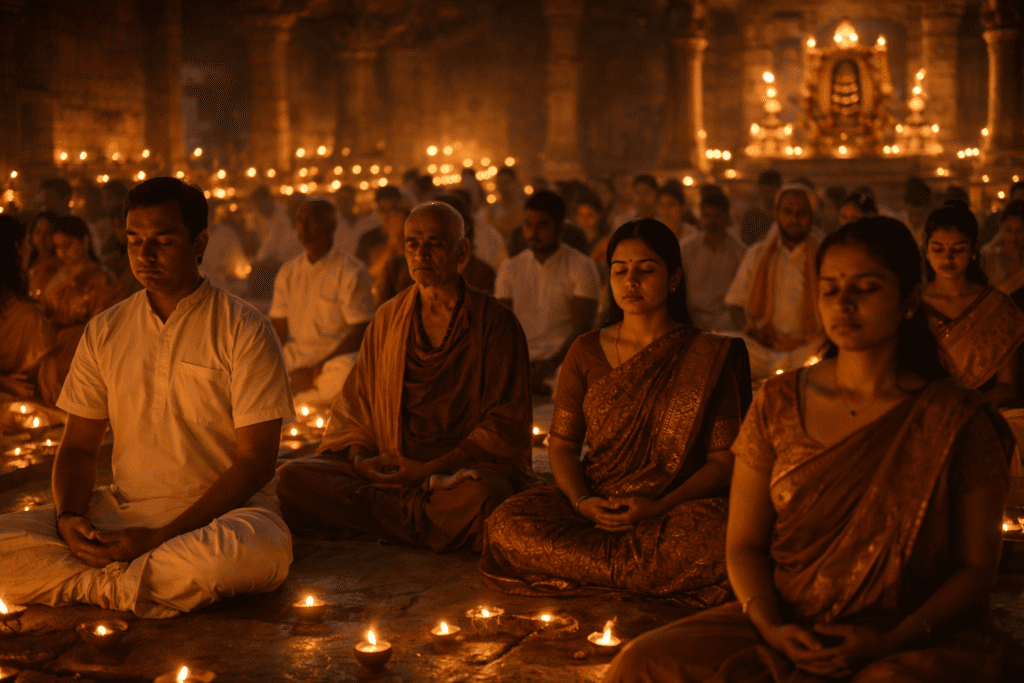
The key attractions of Maha Shivaratri lie in its calm, spiritual atmosphere and meaningful rituals. Shiva temples remain open throughout the night, illuminated by thousands of oil lamps that create a peaceful and devotional setting. The worship of the Shiva Lingam, especially through the abhishekam ritual using water and sacred offerings, draws devotees seeking spiritual purity.
Soft chanting of mantras, night-long prayers, and silent meditation define the experience. Another major attraction is the collective sense of stillness and devotion, where people from different backgrounds come together to observe the sacred night with simplicity and inner focus.
Although Maha Shivaratri is simple in nature, it has several powerful attractions that define the festival.
Shiva Lingam Worship
The Shiva Lingam is the central symbol of Maha Shivaratri. It represents:
- The formless nature of the divine
- Infinite energy
- Balance of creation and dissolution
Devotees offer prayers to the Shiva Lingam throughout the night, often in four sessions called Praharas, each representing a stage of awareness.
Oil Lamps and Temple Atmosphere
Temples during Maha Shivaratri look completely different:
- Thousands of oil lamps illuminate the space
- Artificial lights are kept minimal
- Shadows, flames, and silence dominate the environment
This visual simplicity creates a powerful spiritual ambiance that leaves a lasting impression.
Soft Chanting and Mantras
Instead of loud music, Maha Shivaratri features:
- Soft chanting of “Om Namah Shivaya”
- Slow rhythmic prayers
- Repetitive mantras that calm the mind
The repetition helps quiet internal thoughts and enhances focus.
Rituals and Traditions of Maha Shivaratri
The rituals and traditions of Maha Shivaratri focus on simplicity, devotion, and self-discipline. Devotees begin the day with purification and prepare for night-long observance. Worship of the Shiva Lingam through abhishekam is central, where water, milk, or other sacred offerings are poured as symbols of purity. Offering bilva leaves holds special significance and reflects reverence toward Lord Shiva. Many devotees observe fasting, either completely or in a simple form, to practice restraint. Staying awake through the night with prayer, meditation, and soft chanting represents awareness and dedication during this sacred occasion.
Maha Shivaratri rituals are simple but deeply symbolic. They focus on purity, discipline, and devotion rather than elaborate ceremonies.
Abhishekam (Ritual Bathing)
One of the most important rituals is Abhishekam, the symbolic bathing of the Shiva Lingam.
Common offerings include:
- Water
- Milk
- Honey
- Curd
These offerings symbolize cleansing of the mind and surrender of ego.
Offering of Bilva Leaves
Bilva leaves are considered sacred to Lord Shiva. Offering them symbolizes:
- Purity of intention
- Balance of body and mind
- Respect for nature
Even a single leaf offered with sincerity is considered meaningful.
Fasting on Maha Shivaratri
Fasting is observed by many devotees, but it is not compulsory.
Fasting usually involves:
- Avoiding grains and heavy food
- Eating fruits or light meals
- Drinking water or milk
The purpose is not physical hardship, but mental discipline.
Night Vigil and the Four Praharas
The night of the day is traditionally divided into four Praharas (time segments).
Each Prahara includes:
- Prayer or chanting
- Offering to the Shiva Lingam
- Silent reflection
This structure helps devotees stay focused throughout the night without exhaustion.
For beginners, participating in even one Prahara is considered sufficient.
Cultural Practices Associated with Maha Shivaratri
Over centuries, Maha Shivaratri has developed cultural practices that vary slightly by region but maintain the same core essence.
Family Observances
In many households:
- Elders guide younger members
- Stories of Lord Shiva are shared
- Silence is encouraged
This helps transmit values of discipline and respect across generations.
Community Gatherings
In some regions, communities organize:
- Group prayers
- Meditation sessions
- Devotional storytelling
These gatherings emphasize unity and shared reflection rather than celebration.
Why Maha Shivaratri Feels Different Every Year
Even though the rituals remain the same, many people feel that feels different each year.
This happens because:
- Personal experiences change
- Emotional states evolve
- Awareness deepens over time
Maha Shivaratri adapts to the observer, making it a deeply personal experience.
SIP Calculator India: The Ultimate & Easy 2026 Guide for Smart Beginners
When Is Maha Shivaratri Celebrated?
Maha Shivaratri is celebrated once every year according to the Hindu lunar calendar, not the Gregorian calendar. Because of this, the date changes each year, but the spiritual meaning remains the same.
Lunar Timing Explained Simply
Maha Shivaratri is observed on:
- The 14th night (Chaturdashi)
- Of the waning moon (Krishna Paksha)
- In the month of Phalguna
Phalguna usually falls between February and March in the modern calendar.
The night is chosen intentionally. Darkness symbolizes ignorance and rest, while staying awake symbolizes awareness and consciousness. This is why is observed at night rather than during the day.
Maha Shivaratri 2026: Date and Importance
In 2026, Maha Shivaratri will be observed in February–March 2026, depending on lunar calculations announced closer to the date.
Why Maha Shivaratri 2026 Is Special
It becomes more relevant with time, especially in the modern world where:
- Life moves very fast
- Distractions are constant
- Quiet reflection is rare
Offers an opportunity to pause, slow down, and reconnect with inner balance.
What Devotees Commonly Do on Maha Shivaratri 2026
- Prepare mentally a day before
- Reduce unnecessary activities
- Keep the day and night calm
- Focus on prayer, meditation, or silence
There is no pressure to perform complex rituals. Simplicity remains the heart of the observance.
Why Maha Shivaratri Is Observed at Night
One of the most frequently asked questions by beginners is why the day is celebrated at night.
Symbolic Meaning of Night
- Night represents stillness
- Fewer distractions allow deeper focus
- Silence naturally supports reflection
In spiritual traditions, night is considered ideal for inward awareness. IT uses this natural quietness to help people turn their attention inward.
Practical Experience
Many people notice that thoughts slow down at night. Emotions settle, and the mind becomes calmer. This makes meditation, chanting, or silent prayer easier.
This is why even those who do not follow religious customs often feel peaceful on this night.
Where Is Maha Shivaratri Celebrated in India?
Day is celebrated across all regions of India, making it one of the most widely observed spiritual festivals.
Temple-Centered Celebrations
In many towns and cities:
- Shiva temples remain open all night
- Devotees visit in shifts
- Lamps are lit continuously
The atmosphere is calm, respectful, and deeply devotional.
Home Observances
In homes, people:
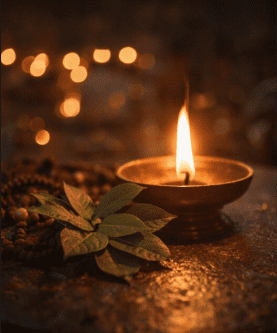
- Light a diya or lamp
- Sit quietly in prayer
- Avoid loud entertainment
This makes accessible even to those who cannot visit temples.
Regional Traditions of Maha Shivaratri
Although the core meaning of the day is the same everywhere, regional traditions add unique cultural expressions.
North India
In North India:
- Devotees observe fasting
- Temples conduct night-long prayers
- Families listen to stories of Lord Shiva
The emphasis is on devotion and simplicity.
South India
In South India:
- Structured temple rituals are common
- Meditation and silence are encouraged
- Devotees participate in multiple prayer sessions
The observance is disciplined and organized.
East India
In eastern regions:
- Community prayers are common
- Devotional singing is practiced softly
- Charity and service are encouraged
West India
In western regions:
- Families gather for prayer
- Cultural storytelling is common
- The next day may involve charity
Despite differences, silence and discipline remain central everywhere.
Maha Shivaratri Celebrations Outside India
Maha Shivaratri is not limited to India. Indian communities across the world observe it with the same spirit.
Global Observance
In many countries:
- Temples organize night-long prayers
- Cultural centers host meditation sessions
- Families observe the festival at home
This global presence shows that message is universal and timeless.
Cultural Importance of Maha Shivaratri Today
In modern times, Maha Shivaratri plays an important cultural role.
Preserving Tradition
It keeps ancient practices alive without forcing them. People observe it according to their comfort and understanding.
Encouraging Balance
Maha Shivaratri promotes balance between:
- Activity and rest
- Speech and silence
- Routine and reflection
Passing Values to the Next Generation
Children learn:
- Patience
- Respect for tradition
- Importance of calm behavior
These values remain relevant regardless of time.
How Beginners Can Connect With Maha Shivaratri
Beginners often worry about doing something “wrong.” does not demand perfection.
Simple ways to connect:
- Spend time quietly
- Reduce screen usage
- Light a lamp
- Reflect on personal behavior
Even a small sincere effort is considered meaningful.
Things To Do on Maha Shivaratri
One of the most common questions people ask is:
“What should I actually do on Maha Shivaratri?”
The beauty of Maha Shivaratri lies in its simplicity. There are no strict rules. What matters most is sincerity and awareness, not perfection.
Observe Silence for Some Time
Silence is one of the most powerful practices on day.
You can:
- Avoid unnecessary talking
- Turn off social media
- Sit quietly with your thoughts
Even one hour of silence can bring deep calm.
Light a Diya or Oil Lamp
Lighting a lamp symbolizes knowledge overcoming darkness.
You may:
- Light a diya at home
- Place it in a calm corner
- Sit nearby for a few minutes
This small act helps create a peaceful environment.
Practice Meditation or Quiet Prayer
You don’t need to know complex mantras.
Simple practices include:
- Sitting quietly with eyes closed
- Repeating “Om Namah Shivaya”
- Focusing on slow breathing
Meditation on Maha Shivaratri is about stillness, not effort.
Optional Fasting (As Per Comfort)
Fasting is symbolic and optional.
Beginner-friendly fasting options:
- Eating fruits
- Drinking water or milk
- Avoiding heavy meals
The purpose is self-discipline, not physical strain.
Reflect on Personal Conduct
Maha Shivaratri is an ideal time to reflect.
Ask yourself:
- Am I calm in daily life?
- Do I react quickly or thoughtfully?
- What habits need correction?
This self-reflection is central to the festival.
Do’s and Don’ts on Maha Shivaratri
Do’s
- Maintain calm behavior
- Keep surroundings clean
- Speak gently and thoughtfully
- Practice patience
Don’ts
- Avoid loud celebrations
- Avoid unnecessary distractions
- Avoid overthinking rituals
Maha Shivaratri values simplicity over complexity.
Frequently Asked Questions (FAQs)
Is Maha Shivaratri a public holiday?
In some Indian states it is a public holiday. In others, it is widely observed without official closure.
Is fasting compulsory on this day?
No. Fasting is optional and symbolic. Sincerity matters more than fasting.
Why is Maha Shivaratri celebrated at night?
Night represents stillness and awareness. It naturally supports meditation and reflection.
Can beginners observe Maha Shivaratri?
Yes. Its is ideal for beginners because it focuses on simple practices.
Can children participate on the day?
Yes. Children can listen to stories, light a lamp, and observe silence briefly.
Is Maha Shivaratri only for religious people?
No. It emphasizes universal values like calmness, discipline, and awareness.
What is the main message?
The main message is inner balance, self-control, and awareness.
Final Conclusion: The True Essence of Maha Shivaratri
Maha Shivaratri 2026 is not about grand rituals or strict rules. It is about stillness, simplicity, and self-awareness.
In a world full of constant noise, this sacred night teaches the value of silence. In a life filled with speed, it reminds us to slow down. Whether observed through meditation, prayer, fasting, or quiet reflection, It offers a rare opportunity to reconnect with inner balance.
Its message remains timeless—awareness over ignorance, calm over chaos, and discipline over impulse.